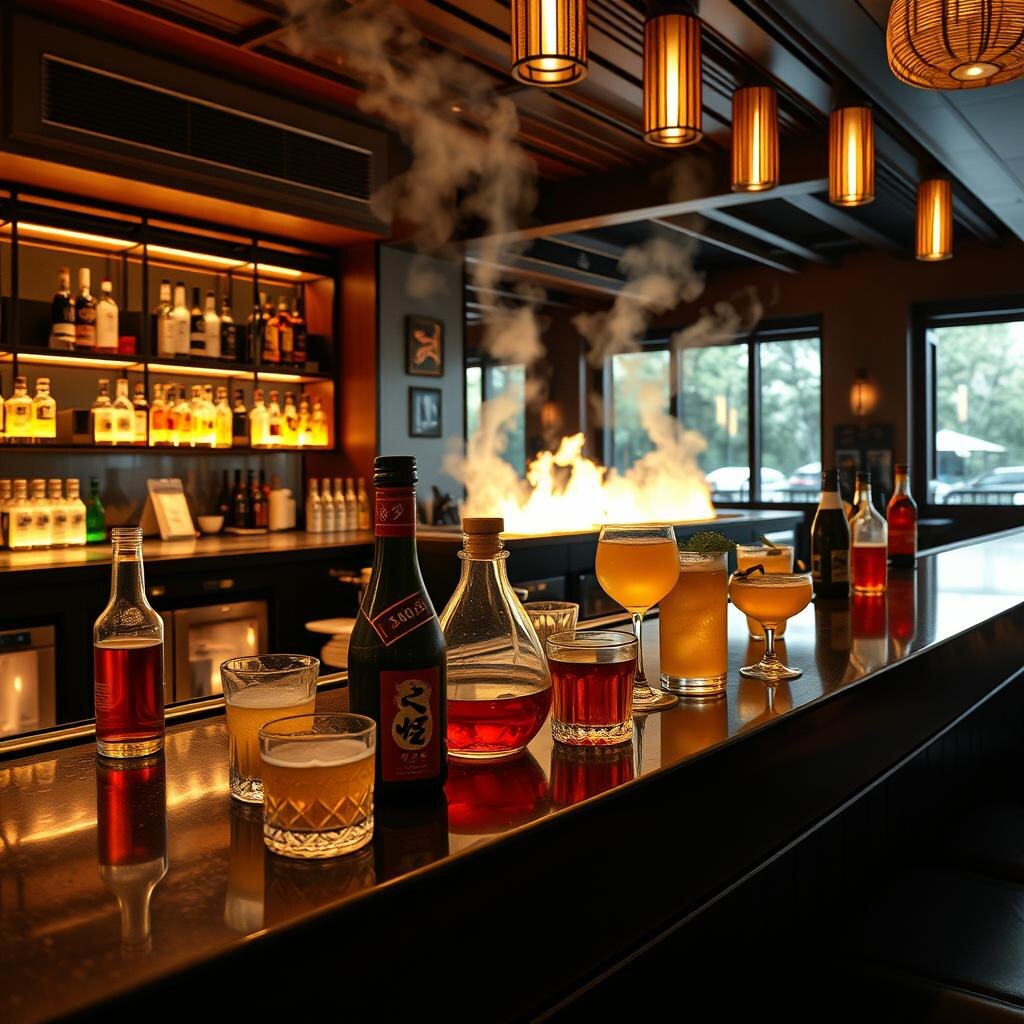
A great Japanese steakhouse experience is built on energy. The chef's knife flashes, the onion volcano erupts, and the table toasts with a round of sake. Beverages are part of the show — chilled Japanese lagers, premium sake flights, lychee martinis, and the crowd-pleasing "sake bomb." But every drink you pour also pours a stream of legal exposure into your business. That exposure has a name in the insurance world: liquor liability, also called dram shop liability. If you serve alcohol and you don't carry it, you are far more exposed than you think.
What Dram Shop Liability Actually Means
Dram shop laws hold an establishment responsible for the harm caused by a patron it served alcohol to. The classic scenario is the one that keeps owners up at night:
- A table orders several rounds of sake and beer over the course of dinner.
- A guest is visibly intoxicated but gets served anyway.
- That guest drives home and causes a serious car accident.
Under the dram shop statutes in most states, the injured third party — and their attorney — can come after your restaurant, arguing you contributed to the harm by over-serving. These claims are not small. A single drunk-driving injury suit can reach six or seven figures once medical costs, lost wages, and pain-and-damages awards stack up.
The trigger is usually over-serving or serving a minor, but you don't have to be "at fault" in the everyday sense to get named in the lawsuit. You just have to have been the last place that served the alcohol.
Why General Liability Won't Save You
This is the single most dangerous gap in restaurant insurance, and most owners discover it at the worst possible moment.
Your general liability (GL) policy covers things like a guest slipping on a wet floor or being burned by flying food at the teppanyaki grill. But nearly every standard GL policy contains a liquor liability exclusion. In plain English:
- GL covers bodily injury and property damage from your general operations.
- GL excludes any claim "arising out of" the serving, selling, or furnishing of alcohol.
So when a dram shop suit lands, your GL carrier reads the exclusion, denies the claim, and you are on your own. The only thing that responds is a dedicated liquor liability policy (or a liquor liability endorsement built for a restaurant that serves). One policy is built for the alcohol exposure; the other is built to avoid it.
"We Only Serve Beer, Wine, and Sake" — You Still Need It
A common myth is that liquor liability is only for full bars and nightclubs. It is not. Dram shop laws generally do not distinguish between a vodka cocktail and a bottle of Sapporo. Beer, wine, and sake all contain alcohol, and a guest can absolutely over-drink on sake bombs and Japanese lagers alone.
If you serve any alcohol — even just sake by the carafe — you have dram shop exposure and you need the coverage. Many landlords and franchisors also require proof of liquor liability before you can open the doors.
State Dram Shop Laws Vary — A Lot
Your exposure depends heavily on where you operate:
- Strong dram shop states impose broad liability and make it easier for injured parties to recover from the establishment.
- Limited or no dram shop states offer some protection, but you can still be sued under general negligence theories.
Because the rules differ so much, your coverage limits should be matched to your state's legal climate, not pulled from a generic template. An agent who understands restaurant operations will help you right-size the limit.
Reduce Your Risk Before the Claim
Insurance is the backstop. Good service practices keep claims from happening in the first place — and often earn you a better rate:
- Train your servers. Programs like TIPS (Training for Intervention ProcedureS) teach staff to spot intoxication and cut off over-served guests. Many carriers offer premium credits for certified staff.
- Check IDs every time, especially for college-age crowds ordering sake bombs.
- Set internal limits on rounds and pace service with food.
- Document incidents — refusals of service, cab calls, and manager interventions.
Protect Your Restaurant
The sake, beer, and cocktails are part of what makes a Japanese steakhouse special — but they shouldn't be the thing that takes your business down. The team at Teppanyaki Insurance specializes in restaurants exactly like yours and can build a liquor liability program matched to your menu, your state's dram shop laws, and your volume. Contact us today for a fast, no-obligation quote and pour with confidence.